
Options News
Defensive Victory: AXP Put Options Surge on AI Job Disruption Fears
Bearish option traders are logging impressive gains in American Express Company (AXP) as AI-driven job displacement fears trigger a severe financial sector selloff. On Feb. 10, our Unusual Activity Service identified significant bearish put buying, with 5,000 20March 330 puts bought for $2.85 above the existing open interest of 1,506 contracts, with AXP shares trading […]
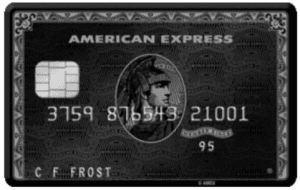
Bearish option traders are logging impressive gains in American Express Company (AXP) as AI-driven job displacement fears trigger a severe financial sector selloff.
On Feb. 10, our Unusual Activity Service identified significant bearish put buying, with 5,000 20March 330 puts bought for $2.85 above the existing open interest of 1,506 contracts, with AXP shares trading at $365.36.
Those 20March 330 puts traded as high as $26.00 today with the stock at $305.37, delivering impressive returns of approximately 812.28% from the entry price of $2.85. Meanwhile, AXP shares declined approximately 16.42% from the initial trading level of $365.36, demonstrating how put options can deliver dramatically amplified returns during significant downside moves in the underlying stock.
This performance illustrates the power of options leverage when the directional thesis proves correct, though it’s important to note that this same leverage can work against traders when market moves go in the opposite direction.
Viral AI Disruption Forecast Triggers 7.5% Single-Day Plunge
The timing of the February 10th put buying proved remarkably prescient, as just 13 days later American Express experienced its worst single-day decline in years. On February 23, 2026, AXP shares plunged 7.5% despite no company-specific news, driven by a viral social media post forecasting severe economic disruption from artificial intelligence by 2028.
A highly-followed X account called “Citrini” with over 150,000 followers published a detailed analysis over the weekend warning that AI would eliminate millions of white-collar jobs within two years, triggering a severe recession. The post specifically cited customer service representatives, financial analysts, paralegals, and accounting professionals—the exact demographic that comprises American Express’s customer base—as facing imminent displacement.
The AI panic hit financial stocks particularly hard, as investors recognized that credit card companies face a double threat: reduced consumer spending from unemployed cardholders and increased credit defaults as job losses mount. American Express, with its premium card offerings targeting affluent professionals, appeared especially vulnerable to white-collar job disruption.
Compounding the selloff, Federal Reserve Governor Chris Waller stated that strong jobs data would justify holding interest rates steady rather than cutting, dashing hopes that lower rates might support consumer spending and credit performance. The combination of AI disruption fears and no Fed relief created a toxic environment for financial stocks.
Block’s 40% Workforce Reduction Validates AI Threat
Just four days later on February 27th, the AI disruption narrative gained explosive validation when Block—the payments company behind Square and Cash App—simultaneously announced Q4 earnings and the layoff of over 4,000 employees, representing 40% of its workforce. CEO Jack Dorsey’s letter to shareholders made the reasoning brutally clear: “Intelligence tools have changed what it means to build and run a company. A significantly smaller team, using the tools we’re building, can do more and do it better.”
American Express shares plummeted another 8% on the Block announcement, as investors extrapolated that if a technology-native fintech company could eliminate 40% of its workforce through AI, traditional financial institutions faced even greater disruption risks. The contagion spread across the entire financial sector, with investors questioning whether any company reliant on white-collar labor could maintain current profit margins in an AI-dominated landscape.
AXP was last down 1.65% at $306.09.